
July 2026 | Industry Insight
Ethylene Glycol (EG, CAS 107-21-1) is one of the most important basic chemical raw materials in the modern petrochemical industry. With its stable chemical properties and wide range of applications, ethylene glycol plays a significant role in polyester manufacturing, antifreeze solutions, resins, packaging materials, and various industrial formulations.
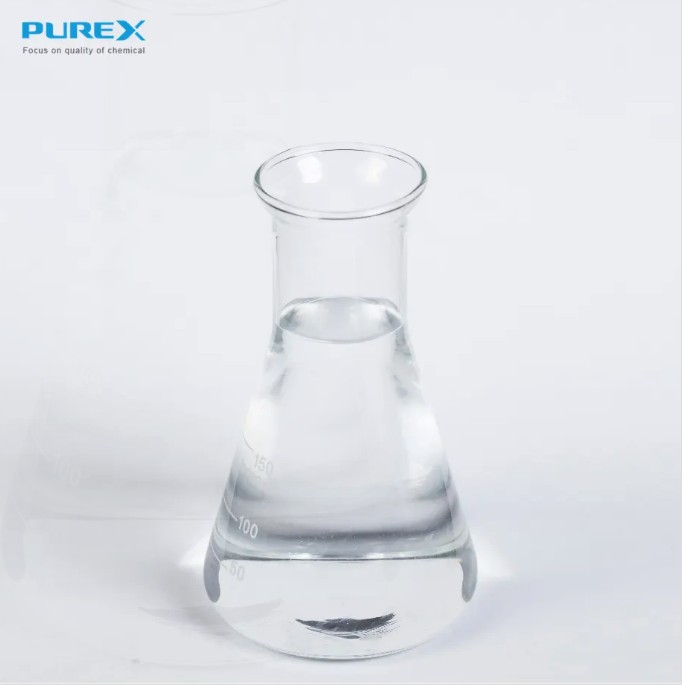
An Important Link from Ethylene to Downstream Industries
Ethylene glycol is mainly produced through ethylene oxidation and hydration processes, serving as a key downstream product in the ethylene petrochemical chain. As a bridge between upstream petrochemical resources and downstream manufacturing industries, the quality stability of ethylene glycol directly influences production efficiency and final product performance.
For long-term industrial buyers, purchasing decisions are not only based on price. Product purity, batch-to-batch consistency, and reliable supply capability have become important factors when selecting suppliers.
Polyester Industry Remains a Major Application Area
One of the largest application areas of ethylene glycol is polyester production, especially in the manufacturing of polyethylene terephthalate (PET). Ethylene glycol acts as an essential raw material in the polymerization process.
PET materials are widely used in:
Polyester fiber production;
Beverage bottles and food packaging materials;
Films and industrial plastic products.
In polyester manufacturing, the purity and consistency of ethylene glycol can influence polymerization stability and product quality. Therefore, industrial customers usually pay close attention to quality control and long-term supply reliability.
Performance Advantages in Antifreeze and Cooling Applications
Besides polyester production, ethylene glycol is also an important component in automotive antifreeze and industrial coolant systems.
Due to its low freezing point and excellent heat transfer properties, ethylene glycol helps maintain stable operation of engines and industrial equipment under low-temperature conditions.
For these applications, users typically focus on:
Product purity;
Moisture content;
Storage stability;
Compatibility with other formulation components.
Stable raw material performance helps improve the consistency and reliability of final products.
Supply Reliability Becomes a Key Procurement Factor
For manufacturers with continuous production requirements, supply stability is as important as product quality. During international procurement, buyers usually evaluate:
Quality management systems;
Complete technical documents such as COA and SDS;
Packaging and transportation solutions;
Reliable delivery schedules.
A professional supply system helps customers reduce supply chain risks and maintain stable production operations.
Proper Storage Helps Maintain Product Quality
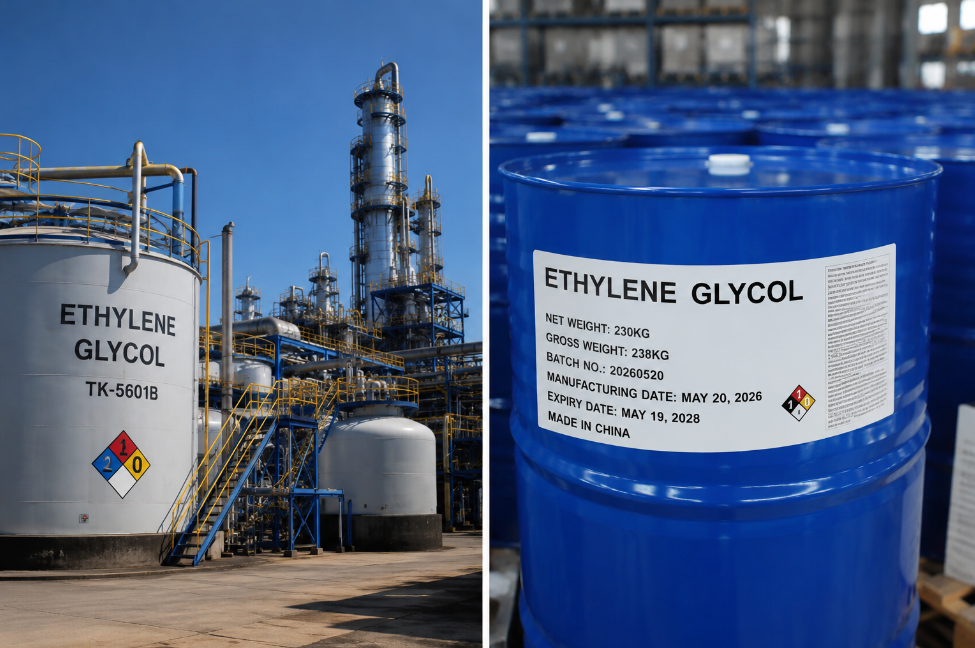
Ethylene glycol should be stored under appropriate conditions to maintain its performance. Industrial users typically recommend sealed storage in dry and well-ventilated environments to reduce moisture exposure and maintain product stability.
Proper storage management helps minimize quality risks during transportation and long-term inventory periods.
Long-Term Industrial Value of Ethylene Glycol
With its mature application system and stable performance characteristics, ethylene glycol continues to serve as an essential raw material across multiple industries, including chemical manufacturing, automotive, packaging, and textiles.
For industrial buyers, choosing a supplier with stable supply capability, strict quality control, and professional export experience is an important factor in ensuring continuous and efficient production.
Frequently Asked Questions (FAQ)
What is ethylene glycol mainly used for?
Ethylene glycol is mainly used in polyester production, including PET resin, polyester fibers, and packaging materials. It is also widely applied in antifreeze, coolant systems, resins, and industrial formulations.
Why is purity important when purchasing ethylene glycol?
Product purity directly affects downstream processing performance. In applications such as polyester manufacturing, stable quality and controlled impurity levels help maintain production efficiency and final product consistency.
How should industrial ethylene glycol be stored?
Ethylene glycol should be stored in sealed containers in a dry and well-ventilated environment. Proper storage helps reduce moisture contamination and maintain product stability during storage and transportation.
What factors should buyers consider when sourcing ethylene glycol?
Industrial buyers usually consider product quality consistency, supply capability, technical documentation, packaging standards, logistics efficiency, and supplier reliability.
Why choose a professional ethylene glycol supplier?
A professional supplier can provide stable product quality, complete export documentation, reliable logistics support, and long-term supply solutions to help customers maintain continuous production.
Post time: Jul-07-2026