
Sodium Formate Method of Oxalic Acid
The production of oxalic acid by the sodium formate method is divided into the lead method and the calcium method. Carbon monoxide is absorbed by a sodium hydroxide solution to obtain sodium formate, which is then dehydrogenated to form sodium oxalate. The latter reacts with lead sulfate (lead method) or calcium hydroxide (calcium method) to form lead oxalate precipitate or calcium oxalate precipitate, which is then acidified with sulfuric acid to obtain oxalic acid.
Lead method for oxalic acid production: After washing, alkali washing, and dust removal, carbon monoxide is compressed to 2 MPa by a compressor, preheated to 150 °C with 160 g/L sodium hydroxide, and sent to a reactor to synthesize a dilute sodium formate solution. The solution is concentrated to about 600 g/L, sent to a dehydrogenation kettle to be heated and concentrated into a solid, then heated and melted, and dehydrogenated at 400 °C. The dehydrogenated sodium oxalate is prepared into a suspension, and lead sulfate is added under stirring while maintaining the pH value at 3–4. Soluble impurities are removed by washing, and then excess sulfuric acid is added for acidification to obtain an oxalic acid solution. Barium carbonate and 1% polyacrylamide are added for coagulation and sedimentation to remove impurities. The solution is cooled, crystallized, filtered by centrifugation, and dried to obtain the finished product.
Calcium method for oxalic acid production: The prepared sodium oxalate suspension and calcium hydroxide suspension are quantified and sent to a calciumization reactor for a calciumization reaction under stirring. The obtained calciumization liquid is filtered and washed. The filtrate sodium hydroxide is concentrated and used for synthesizing sodium formate, and the filter cake calcium oxalate is used for the acidification reaction. The filter cake is prepared into a calcium oxalate suspension, which is acidified in an acidification kettle with sulfuric acid and concentrated oxalic acid mother liquor, and then filtered. The filter cake (gypsum) is washed, and the washing liquid is used to prepare the calcium oxalate suspension. The filtrate (oxalic acid solution) is adsorbed to remove fine calcium sulfate particles, cooled, crystallized, and centrifuged to separate crude oxalic acid, which is recrystallized, separated, and dried to obtain a qualified product, and the mother liquor is recycled.
The sodium formate lead method has a mature process, stable product quality, and a short production cycle, with a yield of 80%–90% and a refined oxalic acid purity of 99.5%. However, there is lead pollution in the production process, and the sodium sulfate obtained from the reaction cannot be returned to the process, so a large amount of sulfuric acid and caustic soda are consumed in production. The calcium method for synthesizing oxalic acid can eliminate the pollution of lead salts and sodium sulfate to groundwater, and replacing caustic soda with lime can greatly reduce production costs. The by-product CaSO4 obtained from the reaction can be processed into building materials without pollution. At the same time, the mother liquor NaOH obtained from the reaction is used to react with CO to prepare sodium formate, thereby saving the amount of raw materials.
Shandong Pulisi Chemical Oxalic Acid: Core Advantages
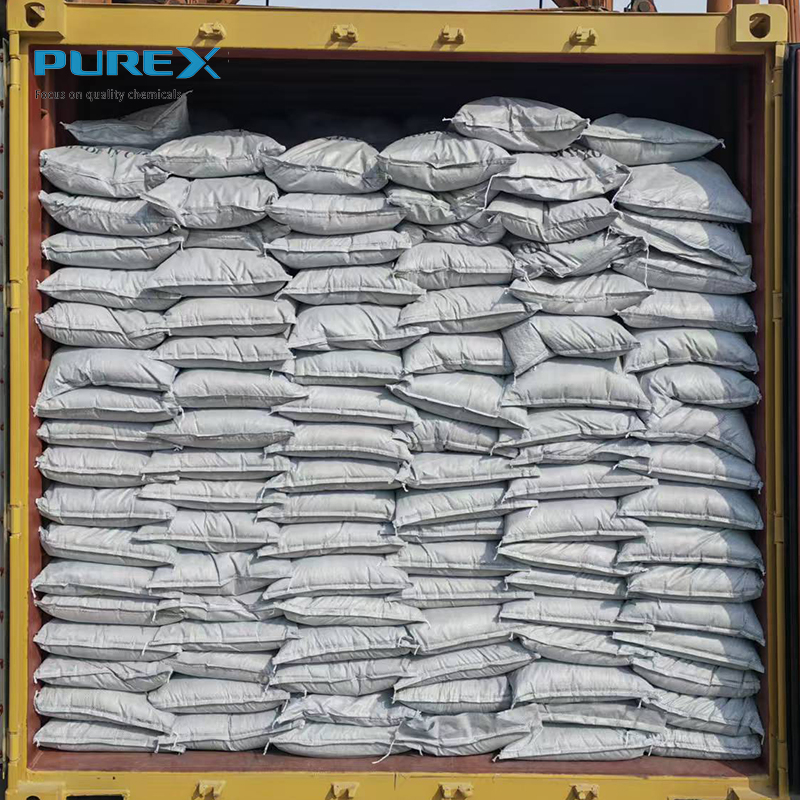
Shandong Pulisi Chemical’s oxalic acid (≥99.6% purity, CAS 144-62-7) stands out with ultra-low impurities (sulfate ≤0.1%, heavy metals ≤0.002%, iron ≤0.003%) and ISO 9001, BV, REACH, FAMI-QS certifications, ensuring compliance for global markets. Backed by 18+ years of chemical expertise, we offer factory-direct pricing, full-container logistics with warehouses across Qingdao, Tianjin, Shanghai ports, and customized packaging (25kg/50kg) for seamless exportShandong Pulisi Chemical Group. Our oxalic acid excels in rare earth metal precipitation, metal rust removal, textile dyeing, and marble polishing, delivering consistent performance and sustainable, biodegradable solutions for industrial clients worldwide.
Post time: Apr-15-2026