
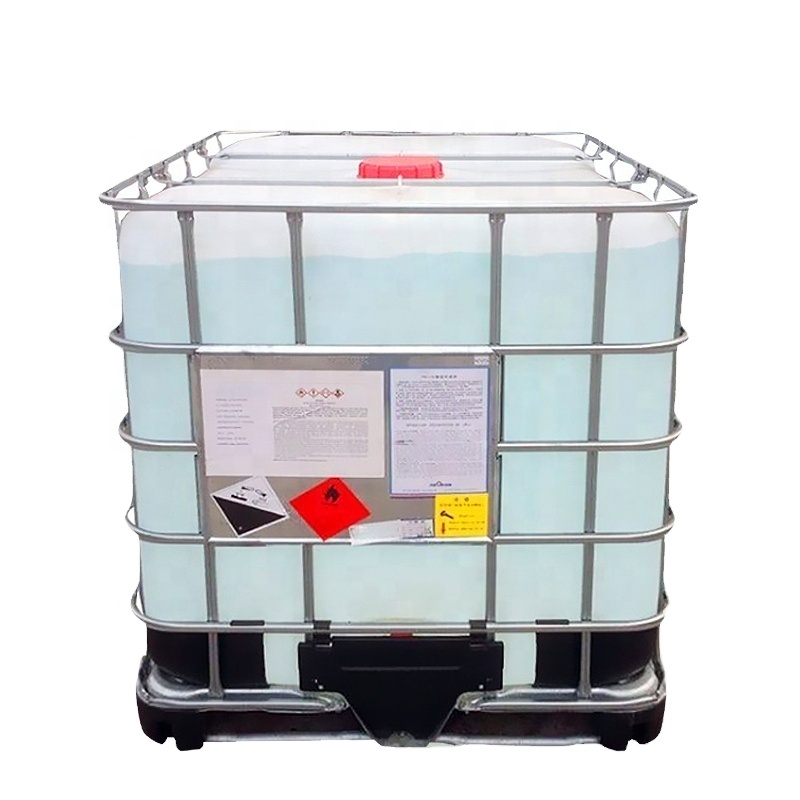
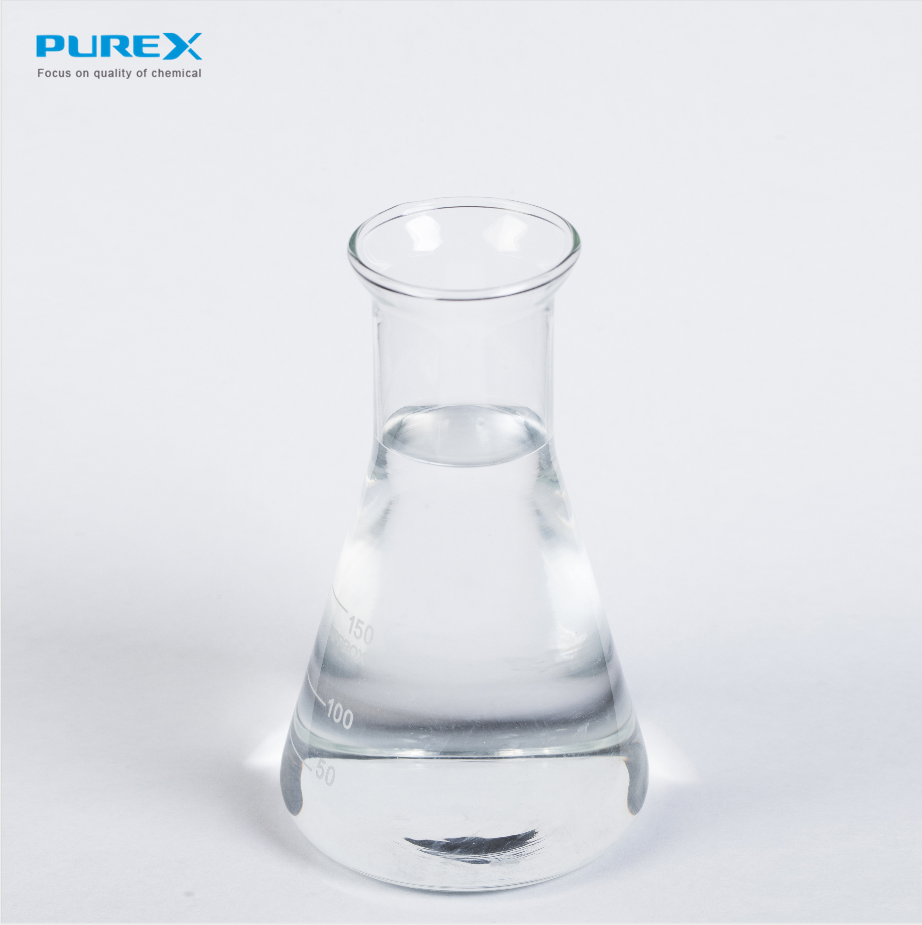

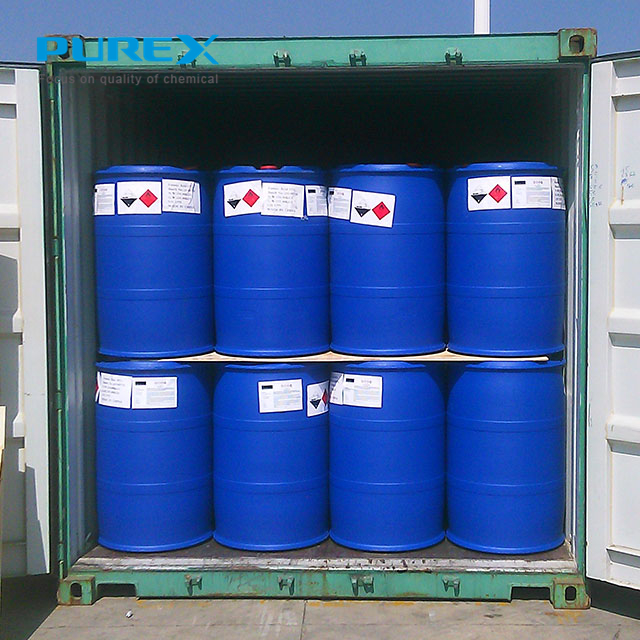
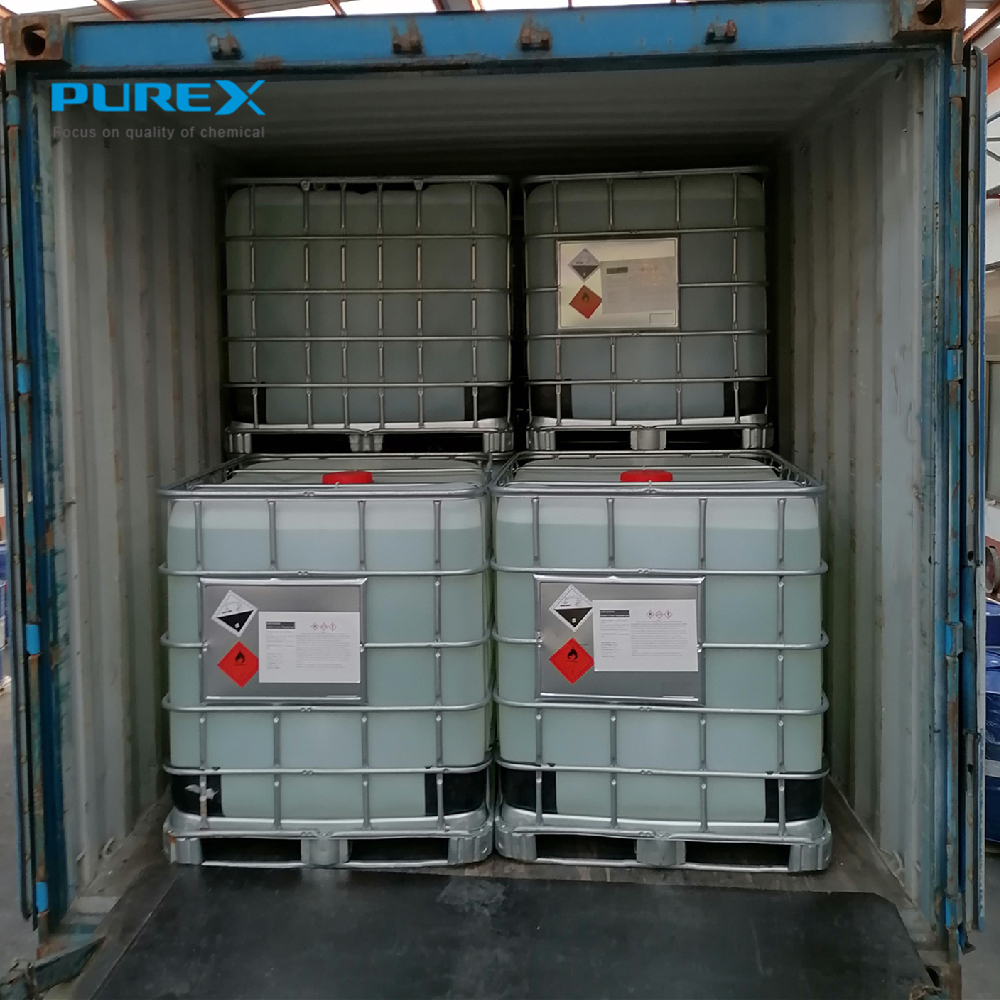
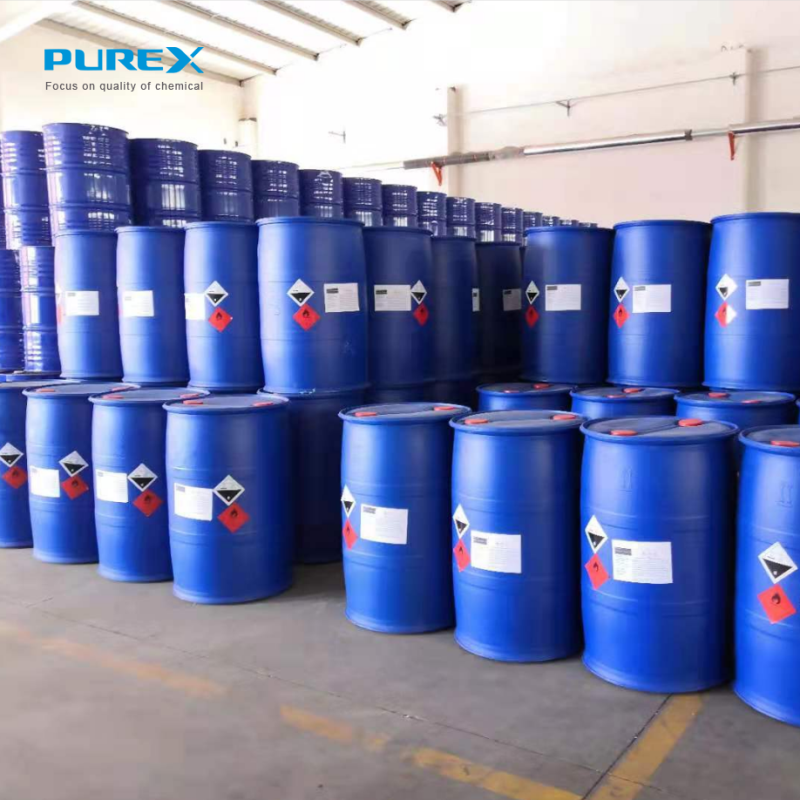

Manufacturer of China Sell 99.5% Propionic Acid CAS 79-09-4 with Factory Price
We’re commitment to offer you the competitive price ,remarkable products excellent, also as fast delivery for Manufacturer of China Sell 99.5% Propionic Acid CAS 79-09-4 with Factory Price, All the time, we have been paying attention on all details to insure each product satisfied by our customers.
We’re commitment to offer you the competitive price ,remarkable products excellent, also as fast delivery for , Our Company policy is “quality first, to be better and stronger, sustainable development” . Our pursuit goals is “for society, customers, employees, partners and enterprises to seek reasonable benefit”. We aspirate to do cooperate with all different the auto parts manufacturers, repair shop, auto peer , then create a beautiful future! Thank you for taking time to browse our website and we would welcome any suggestions you may have that can help us to improve our site.
Structural Analysis of Propionic Acid Chemical Formula
From a molecular structure perspective, propionic acid’s formula CH₃CH₂COOH can be broken into three core components. The terminal methyl group (CH₃–) shows saturated alkyl characteristics, the middle methylene group (–CH₂–) acts as a connecting unit, and the carboxyl group (–COOH) gives the molecule its typical acidic properties. This structural arrangement means propionic acid exhibits both certain alkane-like properties and typical carboxylic acid reactivity.
Spatially, the propionic acid molecule has a relatively simple linear configuration. The C=O double bond and –OH hydroxyl group in the carboxyl group form a coplanar structure, while the alkyl chain adopts a tetrahedral geometry via sp³ hybridization. This structure gives the molecule moderate polarity, explaining its miscibility with water while retaining compatibility with non-polar solvents like diethyl ether and chloroform.
Notably, the carboxyl hydrogen in propionic acid partially dissociates in aqueous solution, releasing H⁺ ions and forming propionate anions (CH₃CH₂COO⁻). This dissociation results in a pKa of 4.87 (at 25°C), classifying it as a typical weak acid. This acid-base behavior is critical to many of its applications, particularly as a food preservative, where its undissociated molecular form can more effectively penetrate microbial cell membranes.
Products categories
-
Top Suppliers China CAS 79-09-4 Food Grade Anhy...
-
Price Sheet for High Quality Concrete Admixture...
-
Special Price for Sodium Hydrosulfide Flakes 70%
-
Wholesale Discount China Manufacturer Taiwan Fo...
-

Ordinary Discount Food Additives Feed Additives...
-

Hot sale Tech Grade Glacial Acetic Acid with 98...