
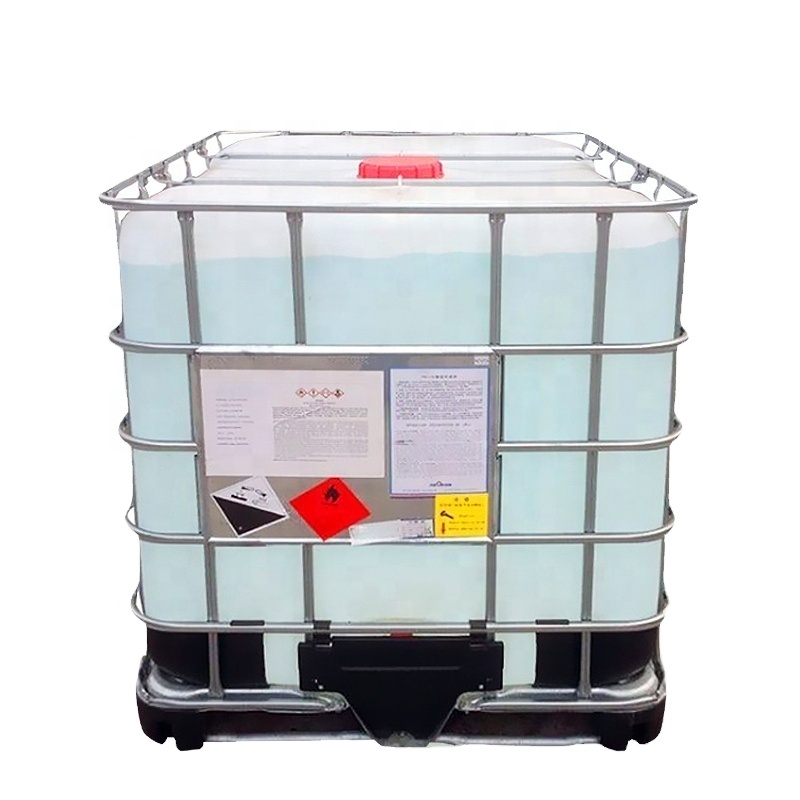
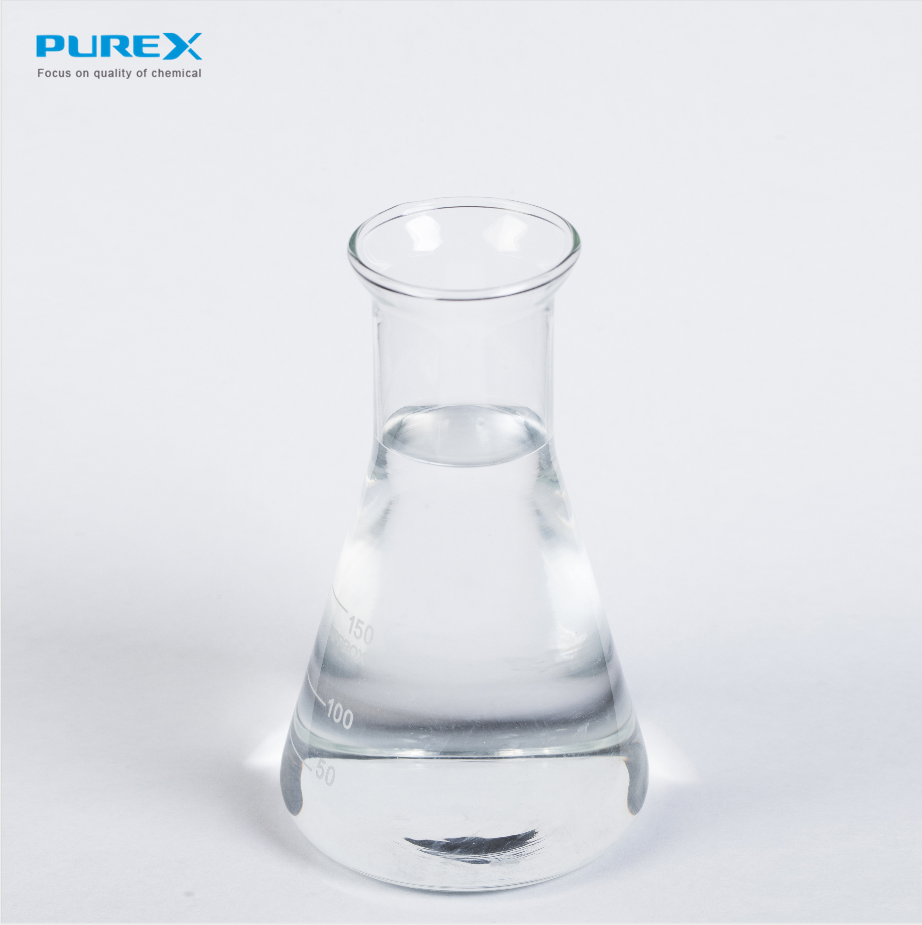

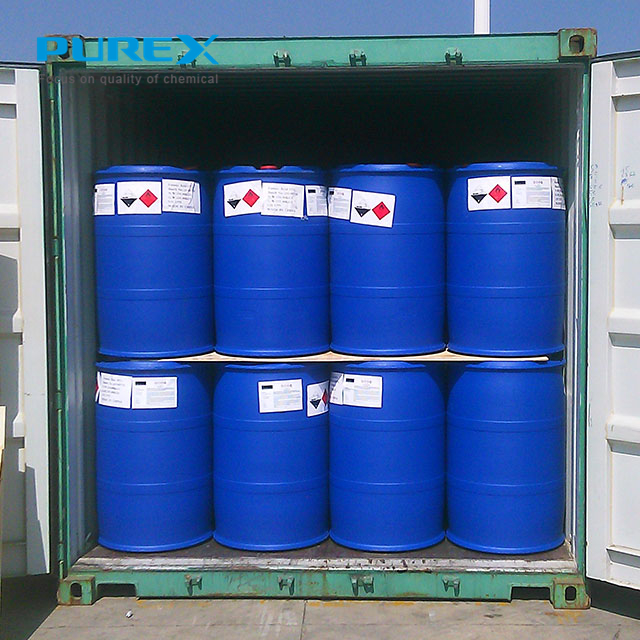
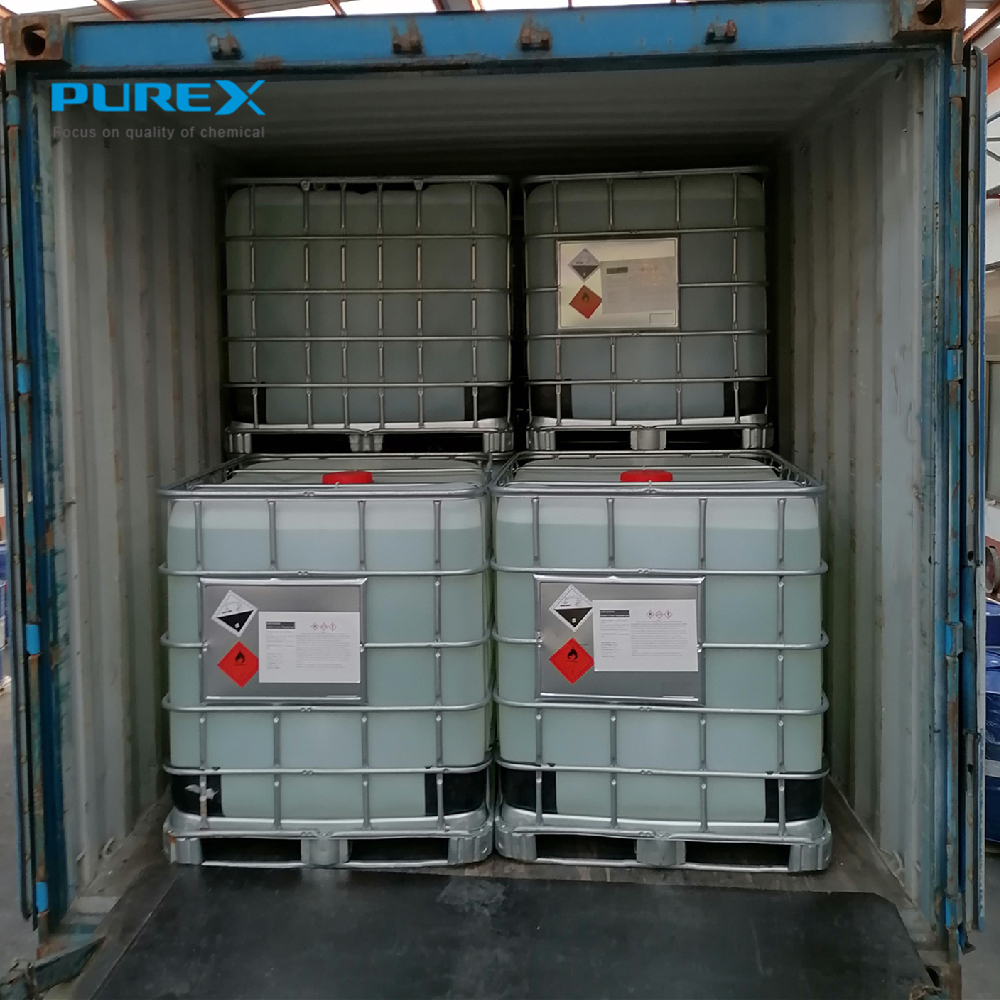
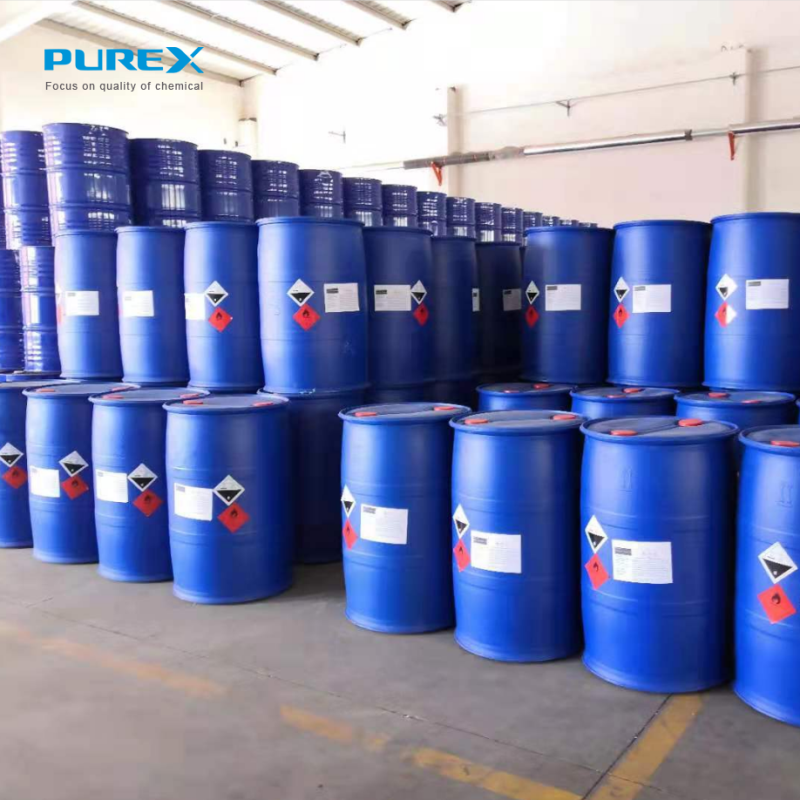

Popular Design for Wholesale High Quality Propionic Acid with CAS 79-09-4 with Proper Price
Our growth depends around the superior machines, exceptional talents and consistently strengthened technology forces for Popular Design for Wholesale High Quality Propionic Acid with CAS 79-09-4 with Proper Price, As a key business of this industry, our company makes endeavours to become a leading supplier, based on the faith of specialist quality & throughout the world company.
Our growth depends around the superior machines, exceptional talents and consistently strengthened technology forces for , Our merchandise are widely sold to Europe, USA, Russia, UK, France, Australia, Middle East, South America, Africa, and Southeast Asia, etc. Our goods are highly recognized by our customers from all around the world. And our company is committed to continually improving effectiveness of our management system to maximize customer satisfaction. We sincerely hope to make progress with our customers and create a win-win future together. Welcome to join us for business!
Production of Propionic Acid
Propionic acid is an organic compound whose production is of great importance due to its wide-ranging applications in the chemical, pharmaceutical, and food industries. It can be manufactured from various raw materials, including propylene, ethanol, and methanol. Among these, propylene is the most commonly used feedstock, with two primary industrial methods: oxidation and steam cracking. In the oxidation process, propylene is oxidized with oxygen to yield propionic acid. In steam cracking, propylene undergoes high-temperature decomposition to form steam, which then reacts over a catalyst to produce propionic acid.
In addition to propylene, ethanol and methanol can also be converted into propionic acid via oxidation reactions. For pharmaceutical and food-grade applications, microbial fermentation is the preferred method. This process uses bacteria or yeast to convert carbohydrate-based feedstocks into propionic acid. Given its broad utility and industrial significance, the production of propionic acid remains a key focus of ongoing research and development.
Products categories
-
Factory best selling China Wholesaler Holograph...
-
Reliable Supplier CAS 9002-86-2 Manufacturer Ch...
-

China New Product Industrial Grade Ethanedioic ...
-
wholesale price Hot Sales Dyeing Use Fabric Tra...
-

New Fashion Design for Safe Delivery 99% Propio...
-

China OEM Food Preservatives Calcium Propionate...