
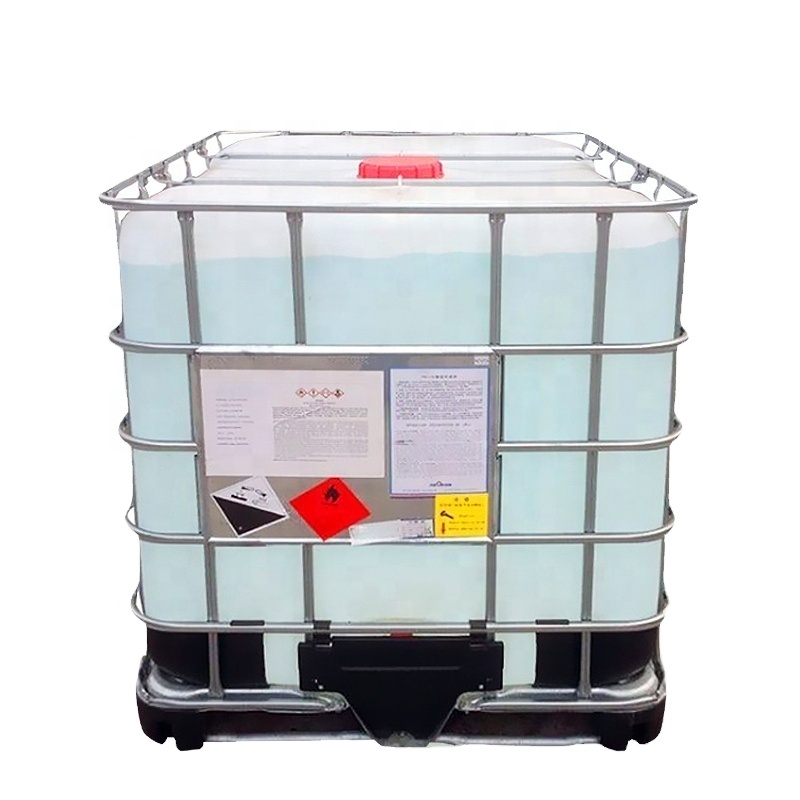
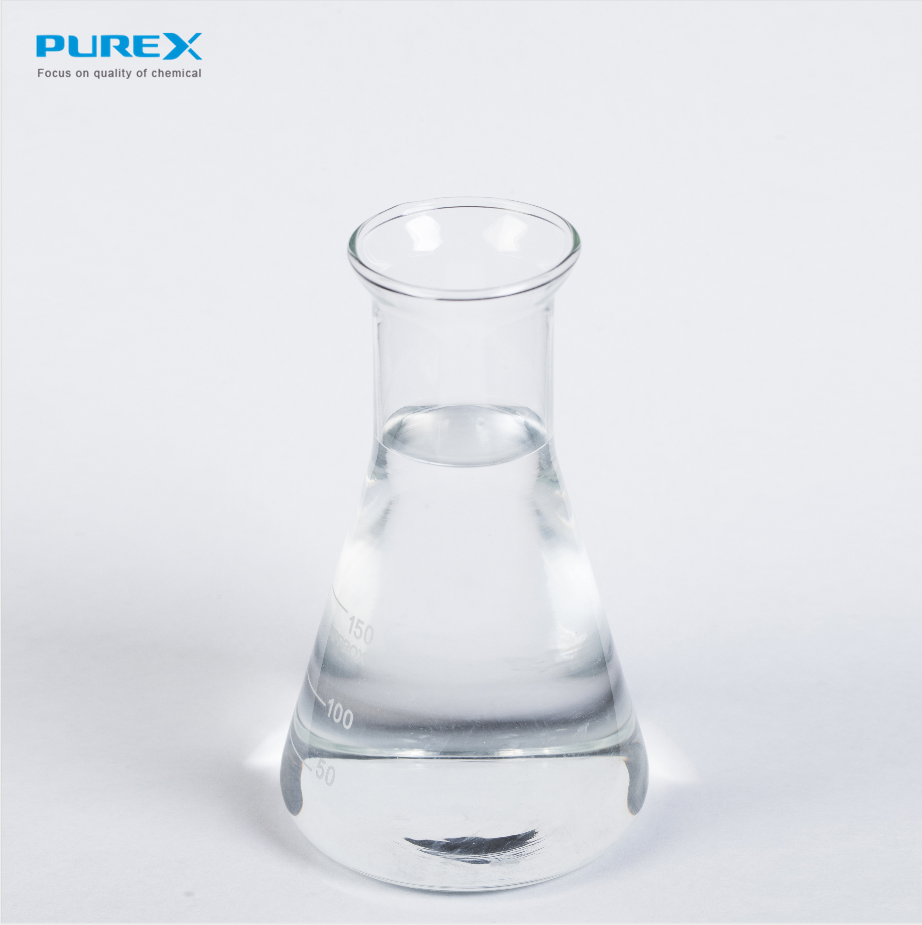

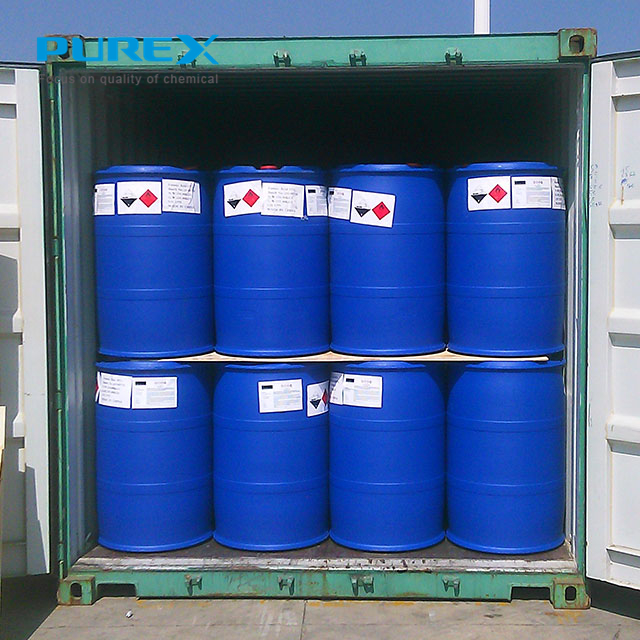
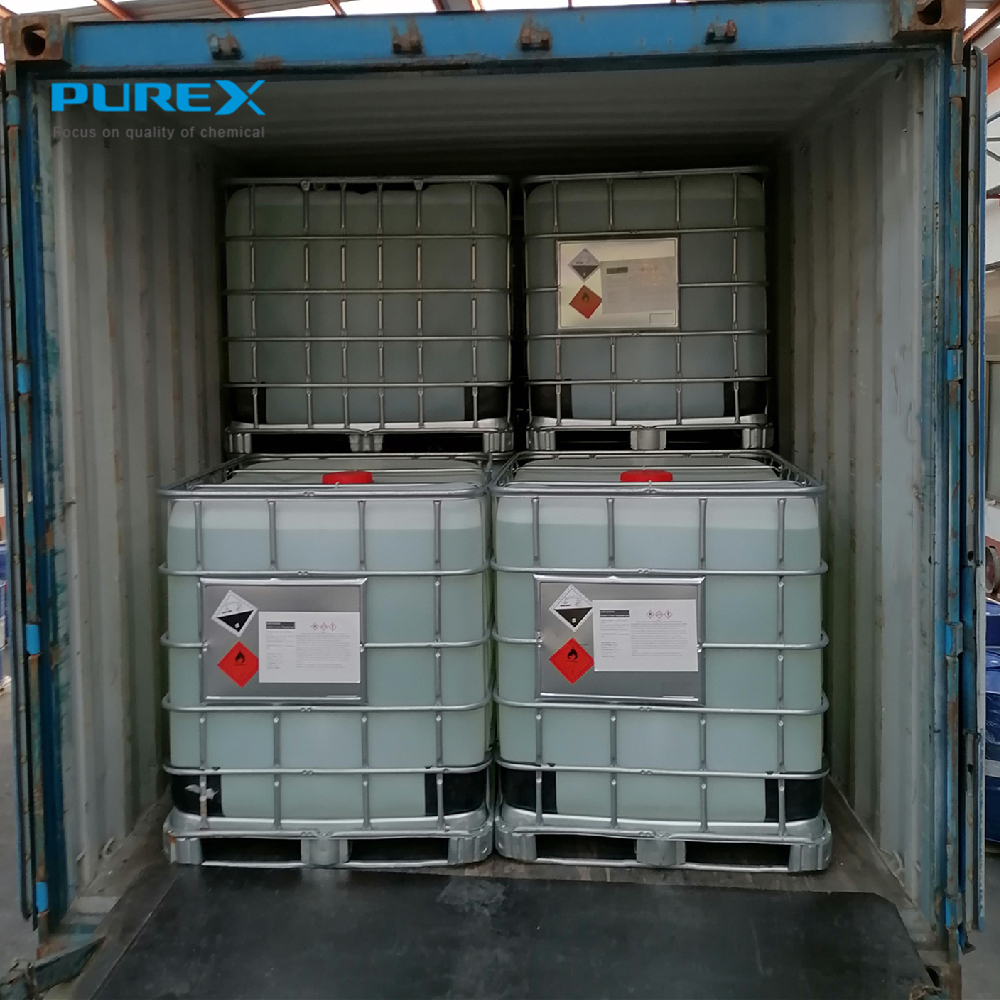
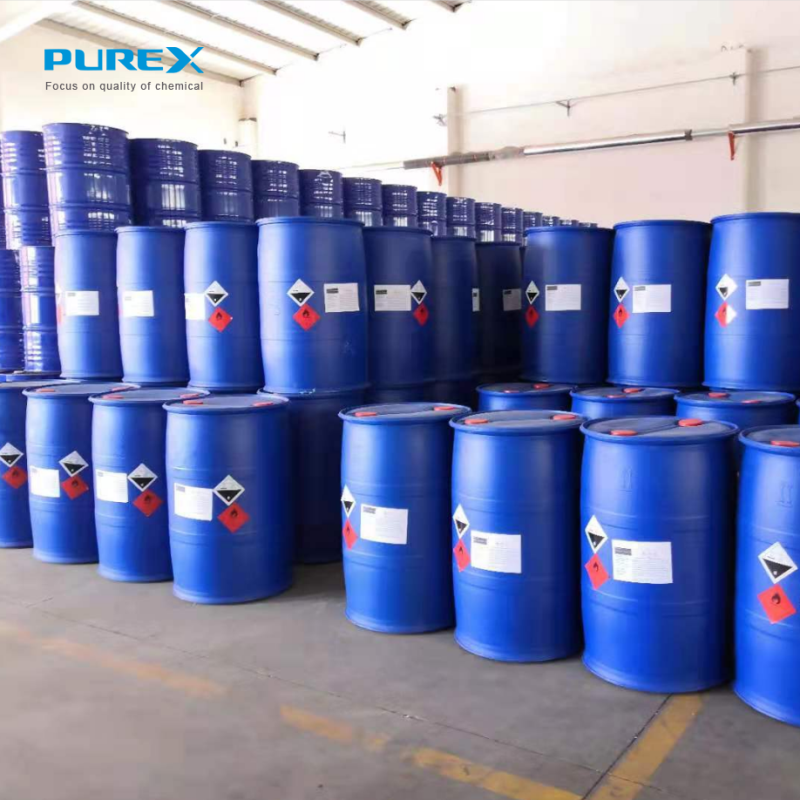

Super Lowest Price Factory Supply High Quality 99% Propionic Acid CAS 79-09-4
It is a great way to further improve our products and repair. Our mission is always to create innovative products to prospects with a superior expertise for Super Lowest Price Factory Supply High Quality 99% Propionic Acid CAS 79-09-4, “Passion, Honesty, Sound assistance, Keen cooperation and Development” are our targets. We are here anticipating mates all around the environment!
It is a great way to further improve our products and repair. Our mission is always to create innovative products to prospects with a superior expertise for , During the short years, we serve our clients honestly as Quality First, Integrity Prime, Delivery Timely, which has earned us an outstanding reputation and an impressive client care portfolio. Looking forward to working with you Now!
Reaction of Propylene with Hypochlorous Acid
From the perspective of reaction mechanism, when propylene reacts with hypochlorous acid, the chlorine atom in hypochlorous acid exhibits electrophilicity and attacks the electron-rich end of the propylene double bond, forming a chloronium ion intermediate. This aligns with the classic electrophilic addition mechanism in organic chemistry, which is elaborated in detail in the book Basic Organic Chemistry Reaction Mechanisms.
The product distribution of the reaction between propylene and hypochlorous acid is influenced by various factors, such as reaction temperature. When the temperature is controlled at approximately 25°C, the proportion of the main product remains relatively stable, and the yield of chlorohydrin can reach around 60%, as summarized from multiple experimental data. The selectivity of this reaction is critical: under specific reaction conditions, kinetic products form preferentially, while the proportion of thermodynamic products gradually increases as the reaction time extends. A theoretical analysis of the changes in reaction selectivity for such reactions is provided in Chemical Reaction Kinetics and Thermodynamics. Solvents have a significant effect on the reaction: in polar solvents such as ethanol, the reaction rate accelerates because polar solvents better dissolve the reactants and promote the formation of ionic intermediates, a finding verified by numerous chemical experiments. In the reaction between propylene and hypochlorous acid, the concentration of hypochlorous acid has a pronounced impact on the reaction progress. At low hypochlorous acid concentrations, the reaction rate is slow; as the concentration increases, the rate accelerates, but excessively high concentrations may lead to an increase in side reactions. Experiments show that the reaction performs best at a hypochlorous acid concentration of 0.5 mol/L.
Products categories
-

Factory making SLES 70% Shampoo Making Raw Mate...
-

Big discounting 99% Organic Chemicals as Food P...
-
Chinese Professional SLES 70% Sodium Lauryl Eth...
-

Wholesale Price China Calcium Formate CAS No.: ...
-
Good quality Intermediates Dmpa 2, 2-Bis (hydro...
-
Cheapest Price High Quality Calcium Chloride fo...