
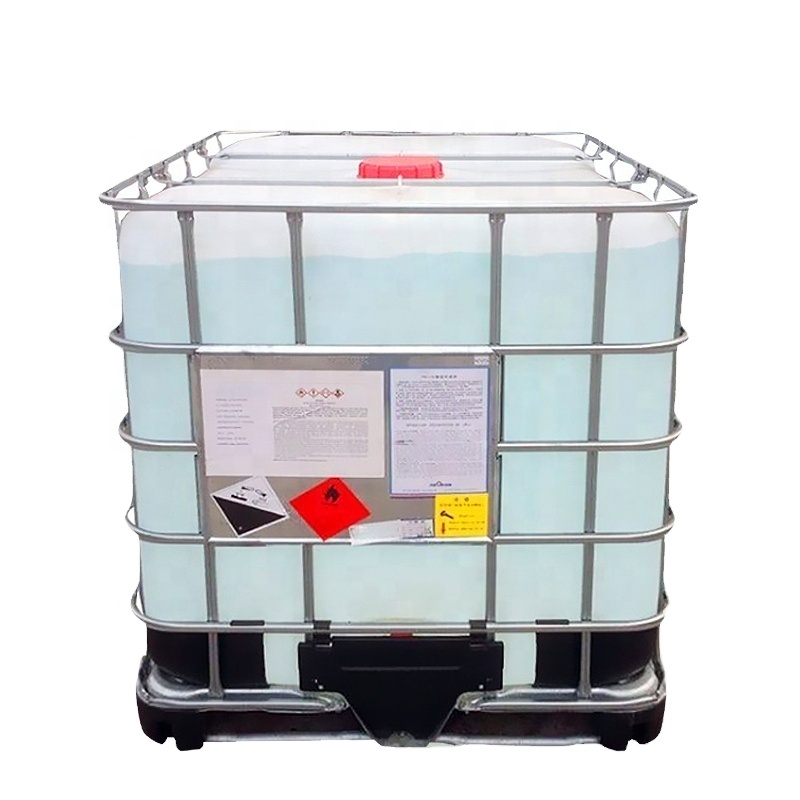
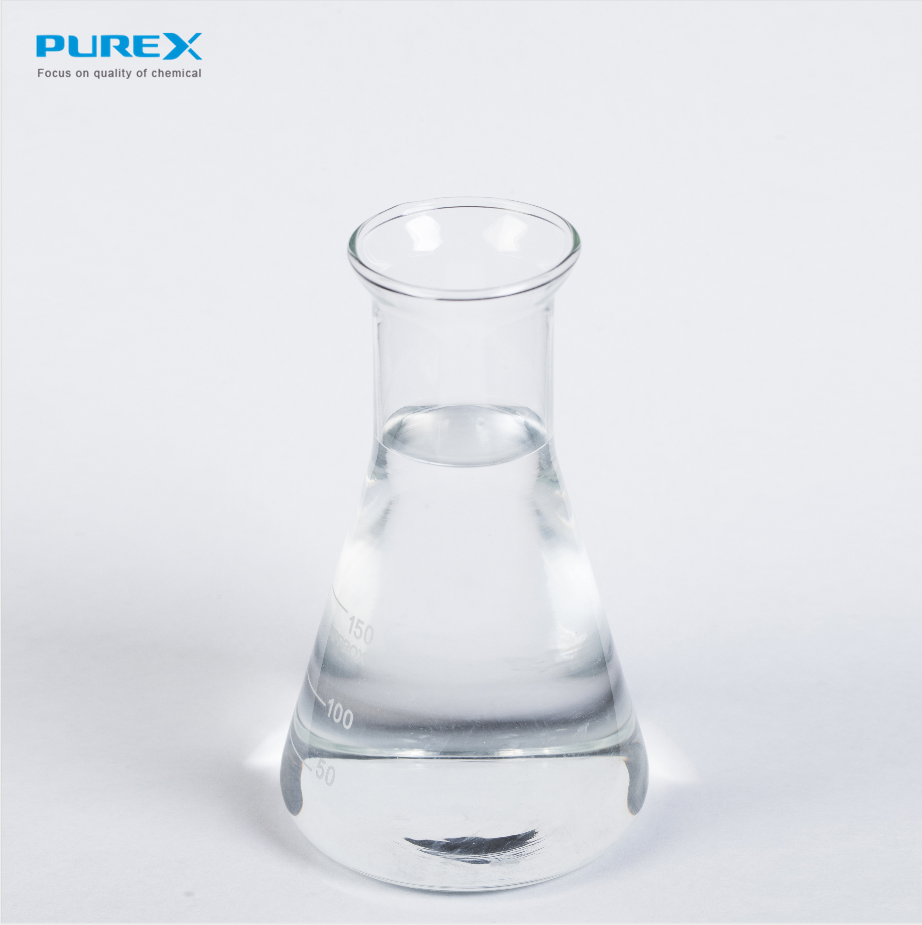

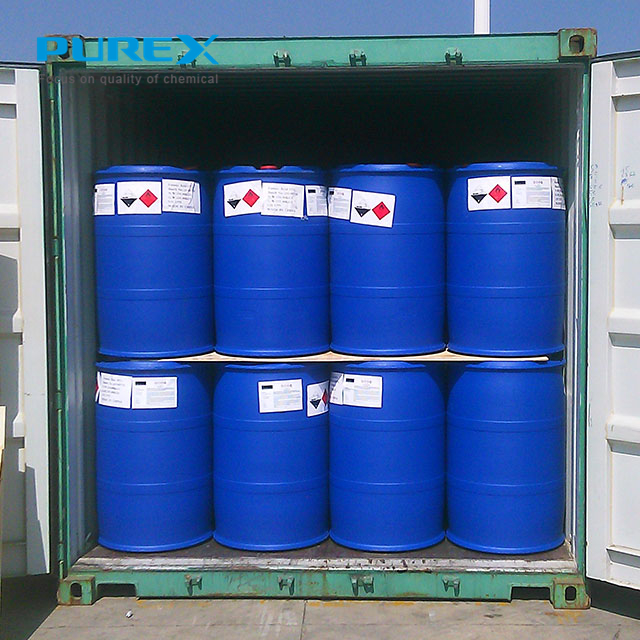
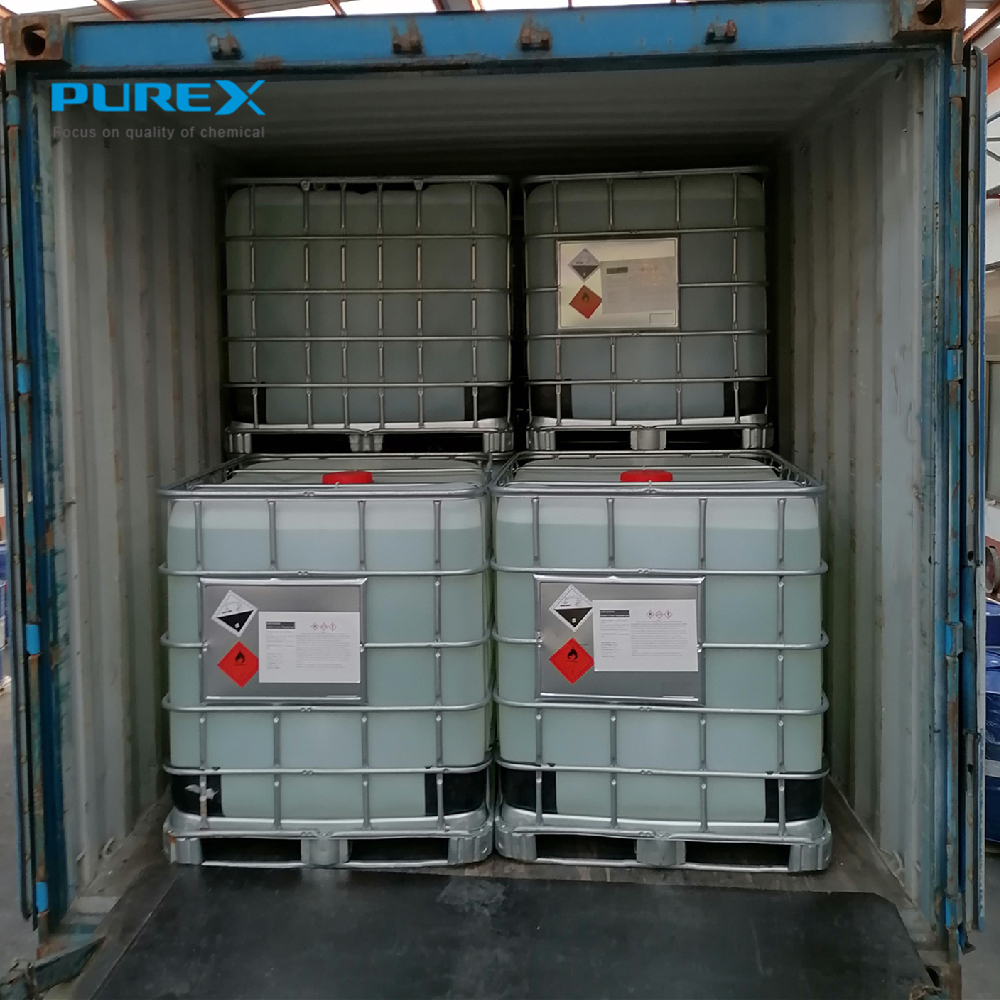
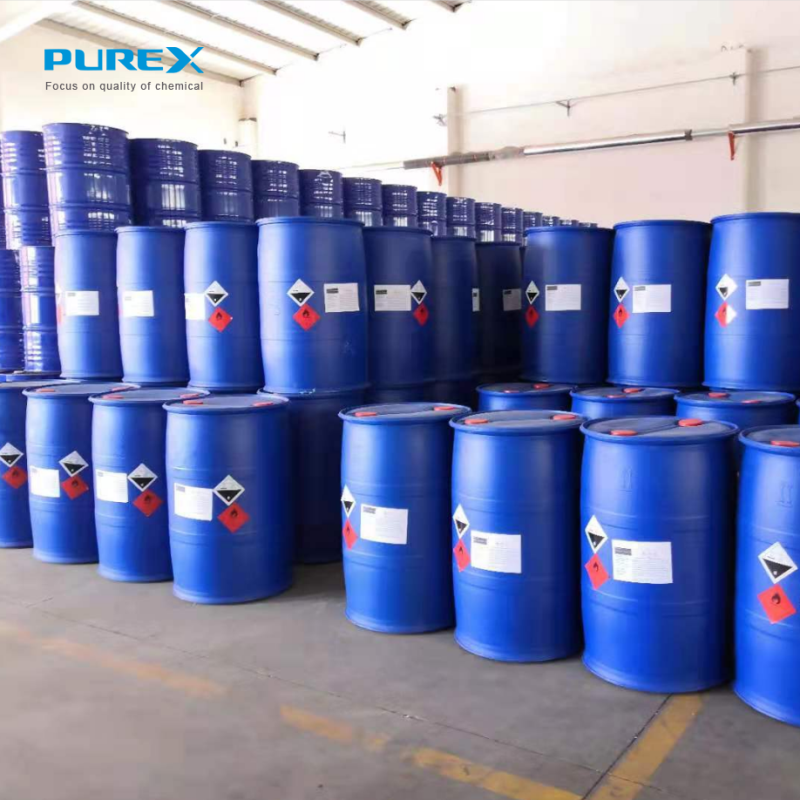

Factory Promotional CAS 79-09-4 Industrial Feed Grade 99.5% C3h6o2 Propionic Acid for Sale
So as to provide you with ease and enlarge our business, we even have inspectors in QC Crew and guarantee you our best company and solution for Factory Promotional CAS 79-09-4 Industrial Feed Grade 99.5% C3h6o2 Propionic Acid for Sale, Striving hard to attain continual accomplishment determined by top quality, trustworthiness, integrity, and complete understanding of marketplace dynamics.
So as to provide you with ease and enlarge our business, we even have inspectors in QC Crew and guarantee you our best company and solution for , Our products have won an excellent reputation at each of the related nations. Because the establishment of our firm. we’ve insisted on our production procedure innovation together with the most recent modern day managing method, attracting a sizable quantity of talents within this industry. We regard the solution good quality as our most vital essence character.
Propanoic acid is primarily used as a food preservative and antifungal agent. It also serves as a viscosity inhibitor in beer production, a solvent and plasticizer for nitrocellulose, and is used in the preparation of nickel plating solutions, food flavorings, pharmaceuticals, pesticides, and antifungal agents. It is listed in the Catalogue of Hazardous Chemicals and is regulated under the Regulations on the Safety Management of Hazardous Chemicals in China.
Propionic Acid Health Hazards (Acute and Chronic): Inhalation irritates the respiratory tract and may cause pulmonary edema. Vapors irritate the eyes; the liquid can cause severe eye damage. Skin contact causes burns. Large oral doses may lead to nausea and diarrhea.
Propionic Acid Leak Emergency Handling: Quickly evacuate personnel from the contaminated area to a safe zone, isolate them, and strictly control access. Cut off ignition sources. Emergency responders must wear positive-pressure respirators and acid-alkali resistant work clothes. Do not touch the leak directly; stop the leak if safe to do so. Prevent entry into sewers and confined spaces. Small spills can be absorbed with sand or non-combustible materials, or diluted with large amounts of water and discharged into wastewater systems after treatment. Large spills should be contained with dikes or trenches, covered with foam to reduce vapor hazards, cooled with water spray, and transferred to tank trucks or dedicated containers for disposal.
Products categories
-

17 Years Exporter Calcium Formate 98% Min Feed ...
-
Cheap price Supply 99.99% Methylene Chloride Di...
-
Wholesale OEM Factory Ethyl China Supplier 95% ...
-
Professional China White Powder Na2o4s2 90%88%8...
-

Industrial/Food/Medicine/Agriculture Grade CAS ...
-
Fixed Competitive Price Professional Manufactur...