

OEM Manufacturer CAS 79-09-4 Food Grade Anhydrous Natural 68% Propionic Acid
We know that we only thrive if we could guarantee our combined price competiveness and high quality advantageous at the same time for OEM Manufacturer CAS 79-09-4 Food Grade Anhydrous Natural 68% Propionic Acid, To find out more about what we could do for you personally, call us anytime. We look forward to setting up good and long-term company interactions along with you.
We know that we only thrive if we could guarantee our combined price competiveness and high quality advantageous at the same time for , Hard work to keep making progress, innovation in the industry, make every effort to first-class enterprise. We try our best to build the scientific management model, to learn abundant specialist knowledge, to develop advanced production equipment and production process , to create the first-call quality products, reasonable price , high quality of service , quick delivery , to offer you create new value .
Usage Precautions and Storage Specifications for Propionic Acid
Although relatively safe, propionic acid requires strict operating procedures during use and storage to ensure personnel safety and product quality.
1 Safe Handling and Protection
Propionic acid is corrosive and irritating. Direct contact with the liquid or high-concentration vapor can irritate and damage the eyes, skin, and respiratory tract. Operators must wear chemical safety goggles, acid-alkali resistant gloves, and masks. In case of skin contact, rinse immediately with plenty of running water for at least 15 minutes. Workplaces should be equipped with eyewash stations and safety showers. Proper local exhaust ventilation can maintain airborne propionic acid concentrations below the occupational exposure limit (10 mg/m³).
2 Storage and Transportation Requirements
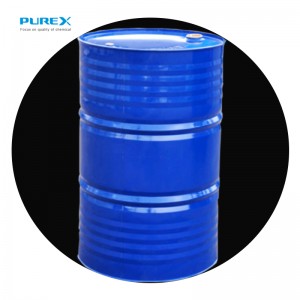
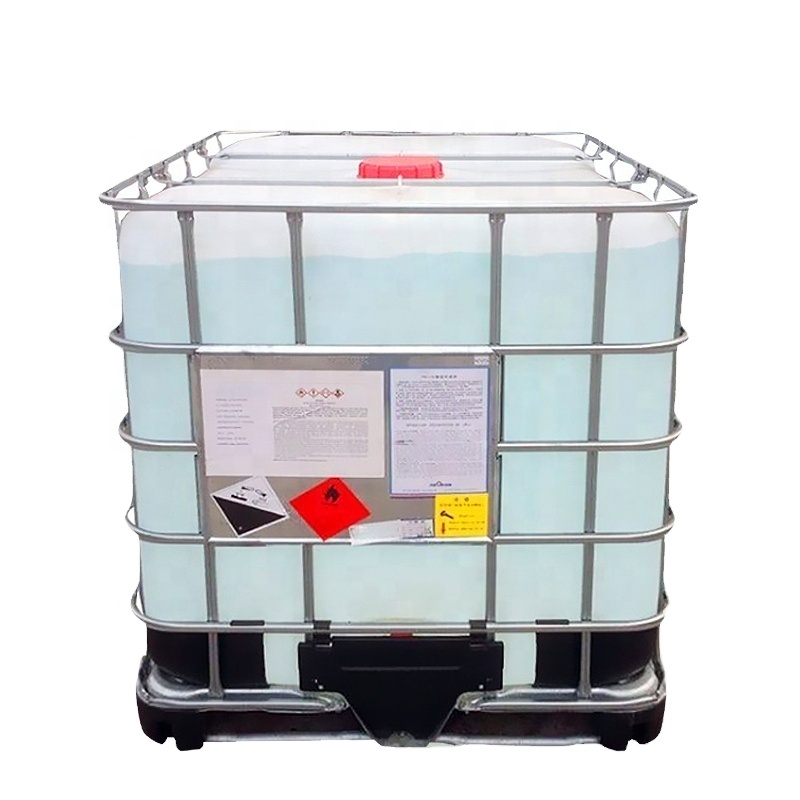
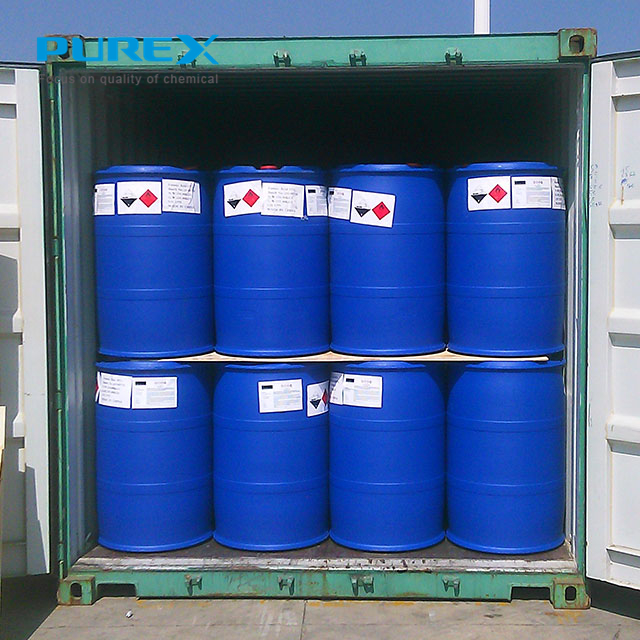
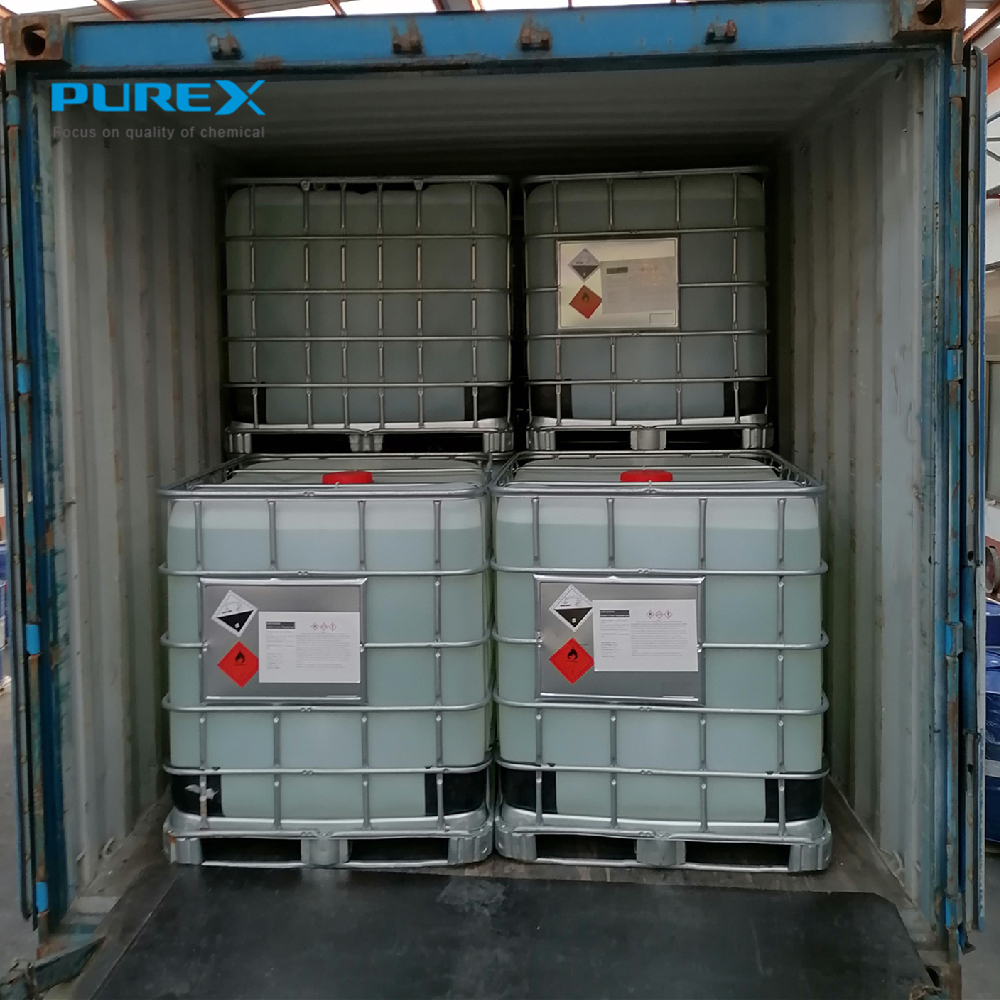
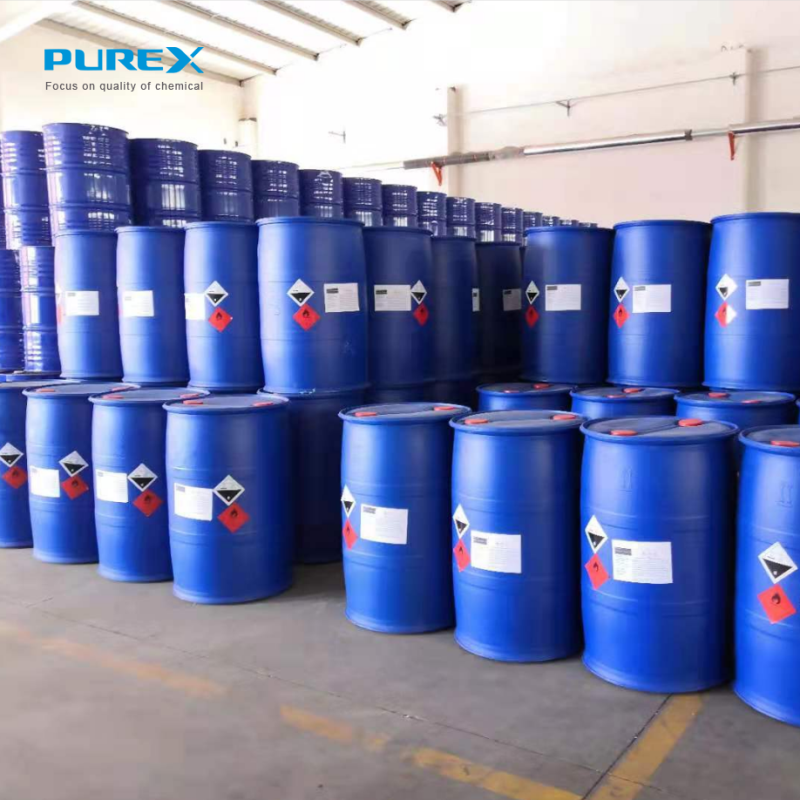
Propionic acid should be stored in a cool, well-ventilated, dry warehouse, away from ignition sources and heat, and separated from oxidizing agents and alkalis. Containers must be sealed; polyethylene drums or stainless steel tanks are commonly used. During transportation, ensure containers do not leak, tip over, or fall. Long-term storage at temperatures above 40°C accelerates corrosion of certain metal containers, so storage temperatures are recommended to be kept below 25°C.